Table of Contents
- 1. Mild Pumpkin Coconut Soup
- 2. Creamy Tomato Lentil Pasta
- 3. Sweet Potato Patties with Yogurt Dip
- 4. One-Pot Rice Skillet with Vegetables
- 5. Sheet Pan Vegetables with Feta and Chicken
- More Quick Recipe Ideas for Kids
- Picky Eaters: Strategies That Don't Turn Into a Fight
- Sneaking In Vegetables Without Turning It Into a Fight
- Kids in the Kitchen: What Helps by Age
- Building a Pantry and Freezer Stash for Quick Kid Dinners
- Batch Cooking and Freezing Kid-Sized Portions
- Frequently Asked Questions
- Bottom line
Quick recipes for kids should above all do one thing after a long day: fill everyone up, without any negotiating at the table. These five dishes have become reliable weekly staples in many families because they're mild, quick, and low-effort. What convinces me about this particular five, out of the dozens I've tried over the years, is that none of them need a special trip to the store – they're built from things most kitchens already have on hand.
1. Mild Pumpkin Coconut Soup
Ingredients (4 servings): 500 g Hokkaido pumpkin, 400 ml coconut milk, 1 onion, vegetable broth, a bit of ginger.
Simmer everything together and purée. The pumpkin's natural sweetness usually makes curry powder or chili unnecessary – one of the most reliable quick recipes for kids who like it mild. If I had to recommend a single starting recipe to a family trying this list for the first time, this would be it – it's nearly impossible to get wrong.
2. Creamy Tomato Lentil Pasta
Ingredients: 300 g whole wheat pasta, 1 can chopped tomatoes, 200 g red lentils, 1 onion, 1 garlic clove, cream or oat cream.
Sauté onion and garlic, add tomatoes and lentils, simmer for 12 minutes, finish with a bit of cream. Protein-rich, mild in flavor, and also great as meal prep for the next day.
Handy Kitchen Helper
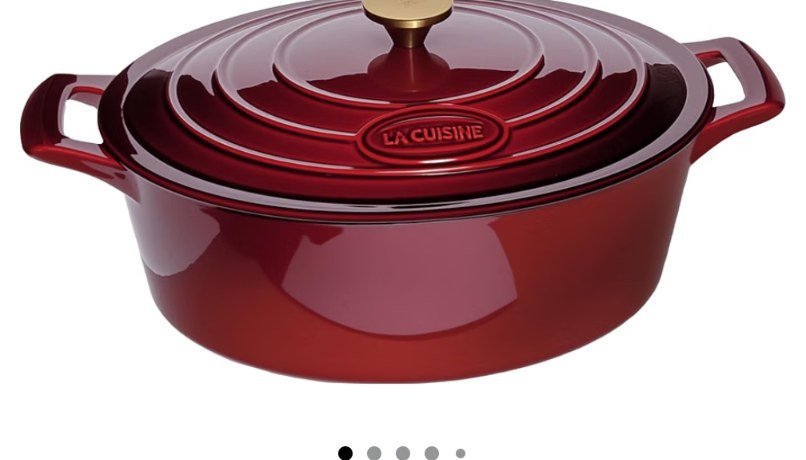
La Cuisine Cast Iron Dutch Oven, Oval (5 L)
Ideal for oven dishes and one-pot recipes, holds heat well, oven-safe. Enameled cast iron, Cranberry Red.
My personal take is that a good enameled dutch oven earns its keep specifically for recipes like the lentil pasta above – it goes straight from stovetop to table and holds heat long enough that no one's rushing to eat before it cools.
3. Sweet Potato Patties with Yogurt Dip
Ingredients: 2 sweet potatoes, 1 egg, 3 tbsp flour, cumin, Greek yogurt, herbs.
Grate the sweet potatoes, mix with egg and flour, fry in a pan until golden brown. The mild, slightly sweet flavor tends to go over well with kids – great as finger food too, with no dinner-table debates. I'd rather serve these than plain fries any day – similar effort, noticeably more nutrition.
4. One-Pot Rice Skillet with Vegetables
Ingredients: 300 g rice, 1 carrot, 100 g frozen peas, 2 eggs, soy sauce (mild), sesame oil.
Cook rice with vegetables in a skillet, stir in beaten eggs, season with a bit of soy sauce. Made in one pot – little cleanup, lots of flavor.
5. Sheet Pan Vegetables with Feta and Chicken
Ingredients: 2 chicken breasts, 1 zucchini, 1 bell pepper, 200 g cherry tomatoes, 1 block of feta, olive oil, herbes de Provence.
Cube the vegetables and chicken, toss with oil and herbs, place the whole block of feta on top. Bake for 25 minutes at 200°C (390°F). Kids love the melted feta, parents love the 5-minute prep time. This is honestly my go-to on nights when I've completely run out of energy to think about dinner – everything goes on one tray and the oven does the rest.
For Efficient Meal Prep
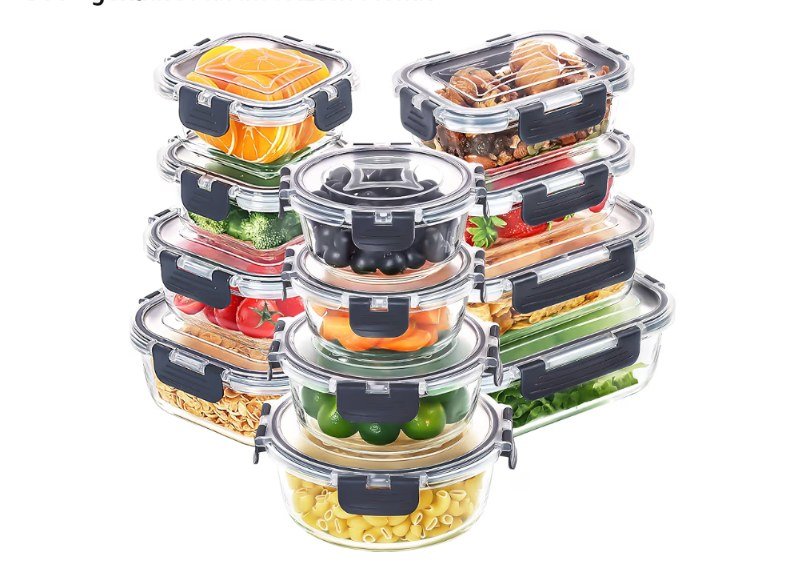
Skroam Glass Container Set (24-Piece)
Leak-proof, microwave- and dishwasher-safe – ideal for prepping meals on the weekend. 12 containers with 12 lids, BPA-free.
I lean toward glass over plastic for this kind of set specifically – it doesn't pick up tomato-sauce stains or smells the way plastic containers eventually do, and it survives the freezer-to-microwave jump without a second thought.
More Quick Recipe Ideas for Kids
Beyond the five dishes above, it helps to keep a few flexible formulas in mind that can be filled in with whatever happens to be in the fridge. They don't replace exact quantities, but on especially tight evenings they give you a reliable structure without having to think too hard about what to make. The nice thing about these formulas is that they can vary week to week without feeling like a brand-new, unfamiliar dish to kids – the basic shape stays the same, only the details change. In my experience, these formulas end up doing more heavy lifting on an average week than the five named recipes above, simply because they never run out of variations.
The bowl formula
A base of rice, pasta, or potatoes, a mild protein such as chicken, egg, lentils, or chickpeas, two or three vegetables raw or cooked, and a creamy sauce made from yogurt, hummus, or a bit of oil with lemon. It's best to arrange everything in separate little piles on the plate. Many kids eat more calmly when they get to decide what to try first and what's allowed to touch what. Leftovers from the day before – some rice, a few peas – almost always find a sensible home here.
The build-your-own wrap
Put a soft flatbread or tortilla on the table along with three or four fillings to choose from: a bit of cream cheese or hummus, cooked chicken or scrambled egg, grated carrot or cucumber strips. Everyone rolls their own wrap. This takes a lot of pressure off the meal, because no one has to dictate what ends up on the plate – and it's an easy way to use up whatever's left over from the weekend. For younger kids who can't roll their own yet, the same wrap can simply be prepared and cut into pieces ahead of time.
Savory pancakes
A classic pancake batter can easily be turned savory: fold in some finely grated zucchini or carrot, sprinkle with a little grated cheese, and fry until golden on both sides. A simple yogurt-and-herb dip goes well alongside. For many kids, the familiar pancake shape is an easy way into vegetables they'd otherwise avoid in other forms. Leftover pancakes keep well chilled and taste fine cold the next day as a lunchbox stand-in.
The stuffed baked potato
Wash the potatoes, prick them a few times with a fork, and bake in the oven, or, to save time, part-cook them in the microwave and finish them briefly in the oven for a crisp skin. Slice them open and fill with toppings of choice – cheese, corn, beans, a spoonful of sour cream. Because everyone puts together their own filling, there's no debate over whose taste it needs to suit.
The soup build-your-own
Not every soup needs a set recipe. A basic stock, one soft-cooked vegetable of choice – carrot, pumpkin, sweet potato, and zucchini all work equally well – and a splash of cream or coconut milk come together into a mild, puréed soup in a matter of minutes. Anyone who tends to collect vegetable odds and ends that would otherwise go to waste will find this formula puts them to good use.
The quick bake
Mix cooked pasta or rice with a bit of vegetable and a simple sauce of cream, egg, and cheese in a baking dish, sprinkle with cheese, and bake for 15 to 20 minutes. Since almost everything going into the dish is already cooked, the oven only needs to handle the golden crust – ideal for evenings when the stovetop is already busy with something else.
The room-temperature plate
Not every quick meal needs to be served hot. A few warm leftovers from the day before – some sautéed vegetables, a piece of chicken – arranged next to cold components like cucumber, tomato, or corn add up to a complete plate without any actual cooking. This formula works especially well on very late or very short evenings and is a good way to use up whatever's left from midweek.
Picky Eaters: Strategies That Don't Turn Into a Fight
Picky phases are a normal part of development for most kids and rarely get resolved through persuasion. A few approaches have proven reliable in many families, especially on days when patience is already running thin. My own view is that the strategies below only work if you commit to them for weeks, not days – bailing after one bad dinner is, in my experience, the most common reason they seem to fail.
Serve something new alongside something familiar. When at least one familiar component is on the plate, resistance to the rest tends to drop noticeably. A new dish doesn't need to be entirely new – often one unfamiliar ingredient next to two familiar ones is enough, like a new vegetable next to the usual side.
Don't judge how much gets eaten. How much a child eats is up to them. The parent's job ends at offering a balanced plate – pressure or praise over every bite usually creates more resistance than it resolves. A child who stops eating before the plate is empty has usually had enough.
Keep offering, calmly and repeatedly. A new food often has to appear on the plate several times before it gets accepted. A single refusal says little about whether it will be refused next time – it's worth simply trying again a few weeks later without making a big deal of it or demanding an explanation.
Eat together at the table. When the whole family eats the same food together at the table, a dish naturally feels more normal than when it's cooked specially just for the child. Kids take strong cues from what the adults at the table are eating, even without anyone saying a word about it.
Skip the separate meal. Regularly cooking an entirely different dish for a picky eater tends to reinforce, in the long run, exactly the behavior it's meant to avoid. It's more practical to plan at least one component of the main meal that the child reliably likes, rather than putting together a second menu.
Avoid rewarding vegetables. A line like "if you eat your vegetables, you can have dessert" turns vegetables, in a child's mind, into an unpleasant chore and dessert into the real reward. Over time that tends to reinforce the rejection rather than break it down.
Start small. A full plate can be off-putting. A small portion that can be added to on request lowers the bar for trying something at all – and a plain "this isn't for me" is allowed to stand without turning into a bigger debate. Some kids are also sensitive to particular textures rather than flavor itself; the same ingredient in a different form – raw instead of cooked, puréed instead of chunky – often gets a completely different reception.
Make new foods playful. Letting a child touch, smell, or simply have an unfamiliar vegetable sit on the table before it's cooked often takes the edge off the skepticism. A silly name for a new dish, or plating it together in a fun shape, turns the curiosity into more of a small game than a test to pass.
Sneaking In Vegetables Without Turning It Into a Fight
When vegetables on their own don't stand a chance right now, they don't have to disappear from the plate entirely. A few low-key tricks help work them in without turning it into a negotiation. Honestly, I'm not a fan of relying on these tricks as a permanent strategy – I'd rather treat them as a bridge, exactly as the section below says, than as the finish line.
Purée finely and stir in. Cooked carrots, zucchini, or pumpkin can be finely puréed and stirred into tomato sauce, bolognese, or soup without changing the color or flavor much. This isn't a substitute for vegetables in recognizable form, but it works well as a top-up on days when there's little room for negotiation.
Grate finely instead of chopping. Finely grated zucchini or carrot practically disappears into meat sauces, meatballs, or pancake batter, while still keeping its nutrients and some of its texture – unlike a plain purée. It also works well folded into savory muffins or homemade bread.
Use shape and presentation. Vegetables cut into stars or strips, shaped with a cutter, or arranged in a colorful pattern on the plate tend to feel more inviting to many kids than the same ingredient in a shapeless piece. A dip also makes raw vegetables noticeably more appealing – kids eat vegetable sticks more often when a yogurt or hummus dip is sitting right next to them.
Make vegetables the main event, not a side. Roasted vegetables topped with a bit of melted cheese, or a vegetable-and-egg skillet, feels less like an obligation than a small serving of salad next to the "real" meal. When vegetables are part of the main dish rather than served separately, resistance often drops.
Use sweet fruit as a bridge. A smoothie made with banana, a handful of spinach, and berries tastes mostly fruity and sweet to most kids, even though it contains vegetables. It doesn't replace a proper meal, but it's an easy extra serving, whether at breakfast or as an afternoon snack.
One thing matters throughout: these tricks are a bridge, not a permanent state. The goal is for kids to eventually know and like vegetables in recognizable form too – which works best when they keep appearing unprocessed on the table regularly, even on days when they don't get eaten right away.
Let them help choose. A child who gets to pick a vegetable at the store – even from a shortlist decided in advance, like "broccoli or cauliflower" – tends to eat it more willingly at home than one that simply shows up on the plate. The same goes for a small pot of herbs or a tomato plant on the windowsill: what a child helped grow, they're more likely to try.
Freeze vegetable purée in small portions. Leftover vegetable purée can be frozen in an ice cube tray and then collected in a freezer bag. One or two cubes are usually enough to boost a sauce or soup on the spot, without cooking fresh vegetables from scratch – handy on days that would otherwise mean plain pasta with butter.
Kids in the Kitchen: What Helps by Age
Kids who get to help cook tend to eat the result more willingly – and along the way they quietly pick up a feel for ingredients, quantities, and process. How much is realistic depends a lot on age and individual fine motor skills; the age groups below are more of a rough guide than a fixed rule. Regardless of age, handwashing before starting and keeping a safe distance from hot pots, pans, or the oven belong in the routine from the start, along with knives that match a child's actual skill level rather than reaching straight for a sharp adult knife. My personal take is that the mess is worth it far more often than it feels like in the moment, even if it doesn't always feel that way on a Tuesday evening.
Toddlers, roughly 2 to 3 years
Adding ingredients to a bowl, washing lettuce, mashing soft ingredients like bananas by hand, stirring batter, rinsing vegetables under supervision. Attention spans are short at this age, so a single, clearly defined task works better than several steps in a row. A sturdy step stool at the counter is often what makes helping practically possible in the first place.
Preschoolers, roughly 4 to 5 years
Cutting soft ingredients like bananas or cooked potatoes with a blunt knife, measuring out spices, cutting shapes from dough with a cutter, setting the table. First attempts with a kid-safe knife or a plastic serrated knife are often manageable under direct supervision, along with simple stirring at a warm, but not hot, stove.
Early school age, roughly 6 to 9 years
Carrying out simple steps from a recipe independently, stirring and frying with guidance, using the stove under direct supervision, putting together a simple dish like a sandwich or a salad entirely on their own. Measuring quantities is often genuinely fun at this age, and a personal cookbook or recipe card they've helped design adds extra motivation.
Older kids, roughly age 10 and up
Following a simple recipe independently from start to finish, using the stove on their own, helping plan the weekly grocery list and writing out their own ingredient list. A child who regularly gets to cook an "own" dish at this age – say, once a week choosing a recipe from this article – often ends up more curious about varied food and more confident in the kitchen, almost as a side effect.
Whatever the age, it helps to remember that helping out can be messier and slower than cooking alone. On especially hectic evenings, it's completely fine to save the helping-out for a calmer day, like the weekend, instead of letting it add pressure to an already tight window of time. Spilled flour or an unevenly diced carrot isn't a setback, just a normal part of learning – staying relaxed about it is the surest way to keep the enthusiasm for helping alive.
It also helps every now and then to let kids choose which part they want to take on, rather than assigning a fixed task. A child who gets to pick their own role – stirring, cutting, plating, or tasting – tends to stay engaged longer than when a task is simply handed to them.
Building a Pantry and Freezer Stash for Quick Kid Dinners
A well-stocked pantry often decides whether a hectic evening turns into a crisis or not. Anyone who keeps these categories regularly topped up can nearly always pull together a mild, warm meal on the spot, without an extra trip to the store. What I like about thinking in categories rather than a fixed shopping list is that it adapts to whatever's on sale that week instead of locking you into specific brands or items.
Dry pantry: rice, pasta in a few different shapes, red lentils (they cook especially fast), oats, breadcrumbs, flour for spontaneous pancakes.
Freezer: peas and corn as easy staple vegetables, diced roasted vegetables, frozen chicken breast, berries for a quick dessert or smoothie, and ready-made portions from batch cooking.
Fridge basics: eggs, a few different cheeses, yogurt, cream cheese, cream or oat cream, a couple of long-keeping vegetables like carrots or cabbage.
Cans and jars: chopped tomatoes, coconut milk, chickpeas and other legumes, vegetable broth. These ingredients don't spoil and pair easily with almost any fresh leftover in the house.
Spices and staples: mild curry powder, cumin, herbes de Provence, soy sauce, oil, and vinegar – enough to vary the flavor of nearly every formula above without needing a special shop for each dish.
The point of a stash like this isn't having everything on hand all at once, but knowing there's at least one ingredient from every category in the house. That alone makes it possible to put together almost any recipe from this article on the spot, even before the weekly grocery run. A quick look through the pantry and freezer on the weekend, paired with a short shopping list for the gaps, saves a noticeable amount of time and stress during the week.
In the freezer, a simple first-in-first-out habit pays off too: move older portions to the front, newer ones to the back, so nothing sits forgotten for months. A quick once-a-month check of the freezer is the most reliable way to keep food from ending up wasted.
Many families also set up a small "emergency drawer": a fixed spot in the pantry reserved strictly for the most hectic evenings and left untouched for regular weekly planning. Just knowing something is always there takes a real edge off the evening time pressure for a lot of parents.
The stash can also shift a bit with the seasons: more raw vegetables and fruit for cold plates in summer, more ingredients for soups and bakes in winter. Keeping a rough sense of what's in season while grocery shopping tends to come with better-tasting, and often cheaper, produce as a bonus.
Batch Cooking and Freezing Kid-Sized Portions
One quiet weekend afternoon is often enough to cover several hectic evenings ahead. Soups, sauces, and stews like the pumpkin coconut soup or the tomato lentil pasta freeze especially well in larger batches, while fried dishes or ones with a lot of raw vegetables tend to lose texture on thawing. The rice skillet and leftover roasted vegetables freeze fine too, as long as they weren't already mixed with raw egg before storing. In my experience, this single weekend habit does more for weeknight sanity than almost any other change on this list – it's a small time investment with an outsized payoff.
Small, kid-sized portions in flat, stackable containers work best – they thaw faster, and there's no need to defrost more than will actually get eaten. Labeling with contents and date saves a lot of guessing in the freezer later, especially when a few similar sauces end up sitting next to each other. A simple system of tape and a marker is all it takes.
For thawing, the fridge overnight or gentle reheating on low on the stove works best; in a hurry, the microwave works too, with a stir partway through so the heat spreads evenly instead of leaving uneven hot spots. Anything thawed should be used within a day and not refrozen.
A regular batch-cooking rhythm, say one afternoon every two weeks, eventually turns the whole process into a routine that barely takes any extra time but takes an enormous load off stressful evenings. Doubling one of the five recipes above instead of planning a separate batch-cooking dish saves the extra step of thinking up something new altogether.
It's worth paying attention to the material of the containers, too: glass containers tend to handle the switch between freezer, microwave, and dishwasher most easily and don't pick up odors or staining from tomato sauce, while thinner plastic containers tend to scratch or discolor over time. Either way, it's important to leave a bit of headroom near the lid, since many liquids expand as they freeze.
A quick plan for which two or three portions are earmarked for the coming week's freezer stash takes the decision out of hectic evenings entirely – at that point it's just thawing and reheating, not cooking.
Frequently Asked Questions
How many times should I offer a new dish before giving up on it?
It's generally worth offering a new dish in small amounts repeatedly over several weeks, without applying pressure. A single refusal says little about whether it will be turned down again next time.
What should I do if my child only wants to eat one single dish for days on end?
Phases like this are temporary for most kids. It helps to keep offering the favorite dish regularly while calmly placing alternatives alongside it, rather than cutting the preferred food out or turning it into a condition. Most of the time, a phase like this fades on its own once it stops getting a lot of attention.
How can I portion the recipes in this article for a single toddler?
Most of these dishes halve or split into thirds easily and freeze well. Soups, sauces, and the rice skillet work especially well for this since they hold their texture well after thawing.
How long do homemade kid dishes keep in the fridge?
As a general guideline, the usual two to three days applies to chilled, well-sealed leftovers – if there's any doubt about smell or appearance, it's better to freeze than to keep it.
Are convenience products like frozen vegetables a poor choice?
No. Frozen vegetables are usually frozen shortly after harvest and make a practical, low-effort addition to quick meals – especially on days when buying and prepping fresh vegetables just isn't an option.
How do I meaningfully involve a very young toddler in the kitchen without it taking forever?
A single, clearly bounded task is usually enough, like adding ingredients to a bowl or washing lettuce. That gives them a sense of involvement without stretching out the whole cooking process.
What do I do when siblings have completely different preferences?
A base dish with one or two swappable components usually solves this most easily, like the bowl formula or the build-your-own wrap above. That way you only cook once, but everyone puts together their own plate – without a completely separate dish for one child.
What's the easiest way to start batch cooking if I've never done it before?
The simplest approach is to just double one of the recipes you're already planning to make from this article and freeze the second half in portions. That builds up a stash without needing a separate cooking session for it.
Bottom line
All five quick recipes for kids come together in under 30 minutes and work well for meal prep. Rotating between two or three of these dishes a week noticeably eases daily meal planning – and skips the daily dinner-table debate. My personal take, after years of running this site and cooking through more "quick dinner" lists than I can count, is that the recipes themselves are almost the least important part of this article.
Just as much as any single recipe, it's the structure around it that ends up doing the real work: a pantry stash you can pull something together from on short notice, a few batch-cooked portions in the freezer, and a relaxed attitude toward the stretches when only one single ingredient is acceptable on the plate again. Not starting from scratch every single evening, and instead leaning on formulas, a stocked pantry, and a bit of routine, buys back the most time exactly where it's scarcest during the week. If there's one thing I'd want a reader to take away from this whole guide, it's that – the system matters more than any individual dish on it.
*Affiliate link.
Save on Pinterest →
Comments